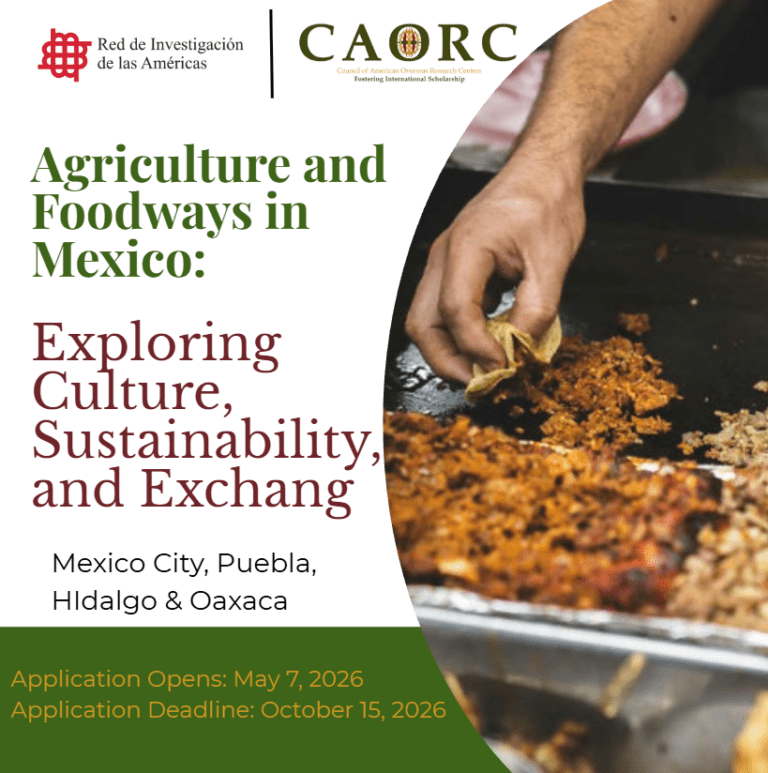
Application Deadline: October 15, 2026
Seminar Dates: January 4 – 16, 2027 (not inclusive of travel)
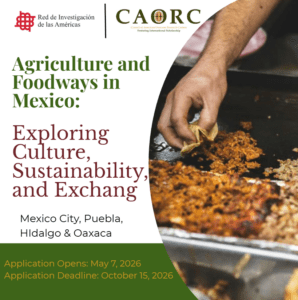
The Americas Research Network (ARENET) is offering an enrichment travel seminar with program partner, the Science and Cooking World Congress Foundation, titled Agriculture, Food Systems, and Cultural Heritage in Mexico. This two-week tuition based academic culinary program is based in Mexico City, Puebla, and Oaxaca and includes lectures, site visits, workshops, and experiential learning, to explore Mexican food systems as a lens for understanding migration, cultural heritage, and global exchange.
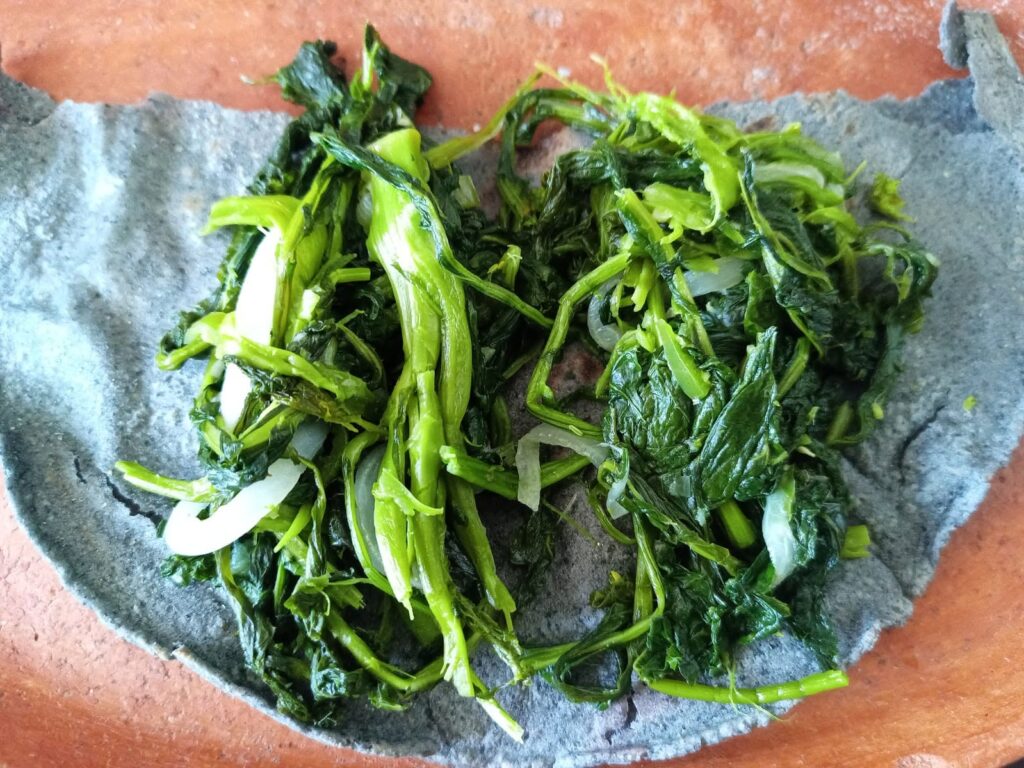
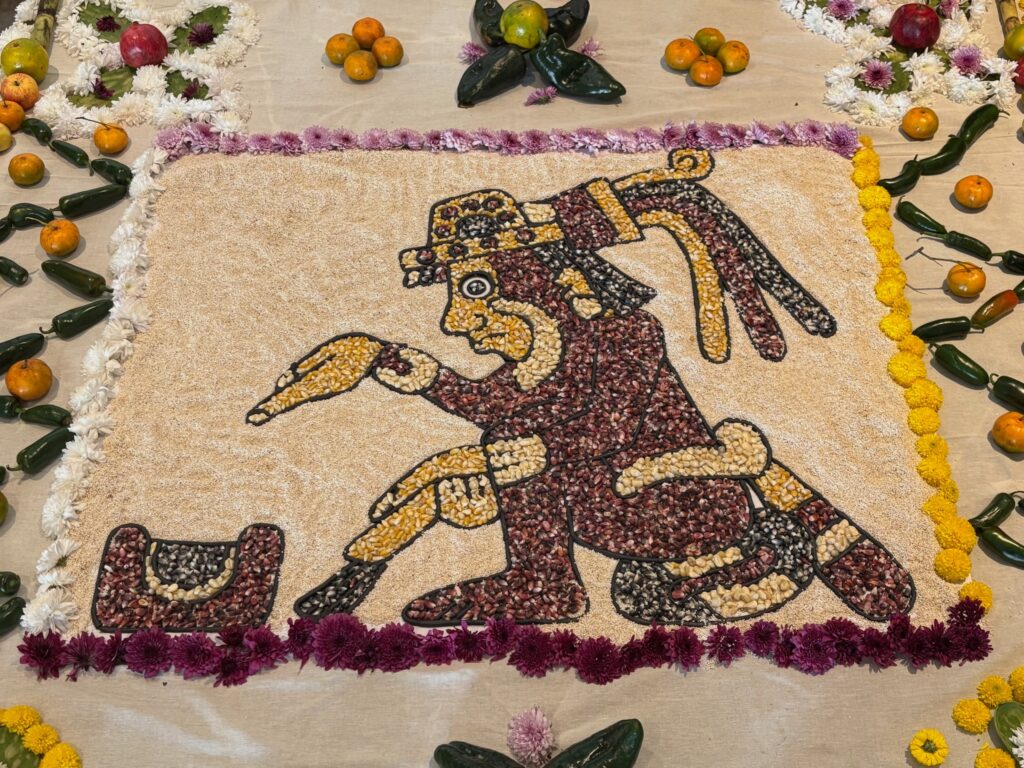
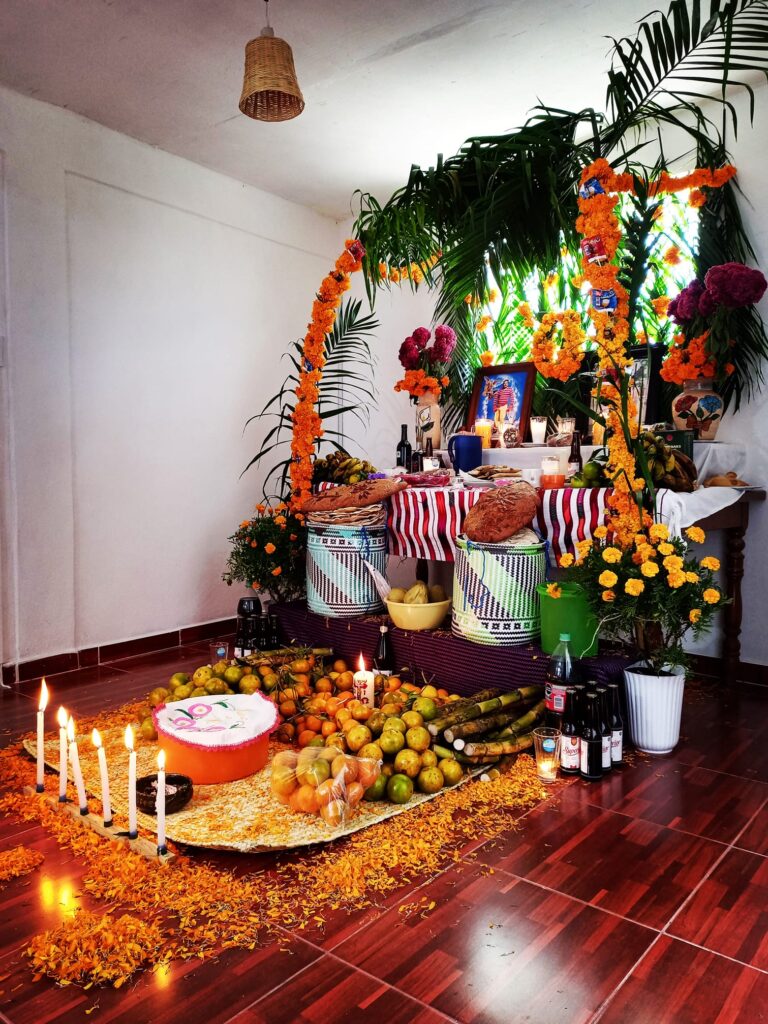
Mexican cuisine – recognized by UNESCO as Intangible Cultural Heritage of Humanity – reflects centuries of cultural interaction, environmental adaptation, and social transformation. Participants will examine how Indigenous agricultural knowledge, historical trade networks, and contemporary migration have shaped culinary traditions and food systems in Mexico and beyond. The seminar includes engagement with scholars, chefs, farmers, cultural practitioners, and community organizations working at the intersection of food, farming, culture, and identity.
The program is open to full-time or part-time faculty and administrators at accredited U.S. colleges and universities. Culinary educators and faculty from all disciplines are encouraged to apply, particularly those interested in incorporating global perspectives, cultural heritage, food studies, migration studies, environmental humanities, or interdisciplinary international content into their teaching or institutional programming. Non-teaching professionals are welcome to apply and will be considered on a case-by-case basis.
Program Objectives
Participants are encouraged to translate their experience into new courses, public programming, research collaborations, or personal practice that expand global perspectives for students.
The seminar aims to strengthen teaching, research, and practice by:
- Exploring Indigenous culinary knowledge and traditional agricultural practices
- Investigating historical and contemporary migration through food traditions and ingredient exchange
- Enhancing interdisciplinary approaches to food studies, sustainability, and cultural heritage
- Supporting the development of curriculum, research projects, and institutional partnerships
- Examining Mexican food systems as intersections of culture, ecology, and migration
Program Activities
Participants will receive curated teaching materials, primary sources, and case studies to support post-program curriculum development and/or practical application.
The seminar combines academic engagement with cultural immersion through activities such as:
- Lectures by scholars, chefs, food historians, anthropologists, and sustainability experts
- Interactive workshops and panel discussions on migration, food systems, and cultural heritage
- Culinary demonstrations, tastings, and hands-on cooking experiences
- Visits to markets, farms, heritage kitchens, restaurants, and community food initiatives
- Museum, archive, and library visits focused on food traditions and cultural identity
- Foraging excursions and site visits highlighting traditional environmental knowledge
- Pre-program virtual orientations and post-program academic mentoring
Participant Eligibility
The program is open to university faculty and administrators. Culinary educators and faculty from all disciplines are encouraged to apply, particularly those interested in incorporating global perspectives, cultural heritage, food studies, migration studies, environmental humanities, or interdisciplinary international content into their teaching or institutional programming. Non-teaching professionals are welcome to apply and will be considered on a case-by-case basis.
Outcomes and Impact
As a core outcome of the Overseas Faculty Development Seminar program, participants are asked to develop and implement a project at their home institution following completion of the seminar. Projects may include curriculum development, new or revised courses, public lectures, research collaborations, educational outreach, events, or other initiatives that expand global understanding among students and campus communities.
Projects should typically be implemented within one year of participation. Participants will be asked to submit documentation, curricular materials, or a brief report describing how their experience informed teaching, research, or institutional internationalization efforts.
Application Deadline: October 15, 2026
Applications are submitted through CAORC’s online application portal. Applicants may save drafts and return to their application prior to submission.
- Download the seminar brochure: English or Spanish
- For questions about the program, applicants may contact CAORC fellowship staff at fellowships@caorc.org.
Calendar
- Application Opens: May 7, 2026
- Application Deadline: October 15, 2026
- Seminar Dates: January 4 – 16, 2027 (not inclusive of travel)
Program Support, Logistics & Fees
The program fee is $4,500 USD per participant. Faculty teaching at U.S. community and technical colleges may be eligible for up to $500 in financial support. Additional discounts are available for shared accommodations; please inquire for details. CAORC and ARENET can provide award letters or other documentation to support participants seeking institutional funding.
The program fee includes comprehensive logistical and academic support, including:
- All in-country transportation and program logistics
- Accommodations in culturally significant locations
- Organized meals and culinary experiences
- Entrance fees, guided visits, and workshop materials
- Academic lectures, presentations, and guided tours
The program fee does not include:
- International airfare between participants’ home locations and Mexico City
- Passport or visa fees (U.S. citizens do not require a visa for tourist visits to Mexico of up to 180 days)
- Selected meals not included in the program
- Personal expenses such as laundry, medications, or incidental costs
Meet the ARENET Seminar Team

Greta de León, Executive Director of ARENET